Dry Spells and Paydays: Reading Slot Volatility Like a Personality Test
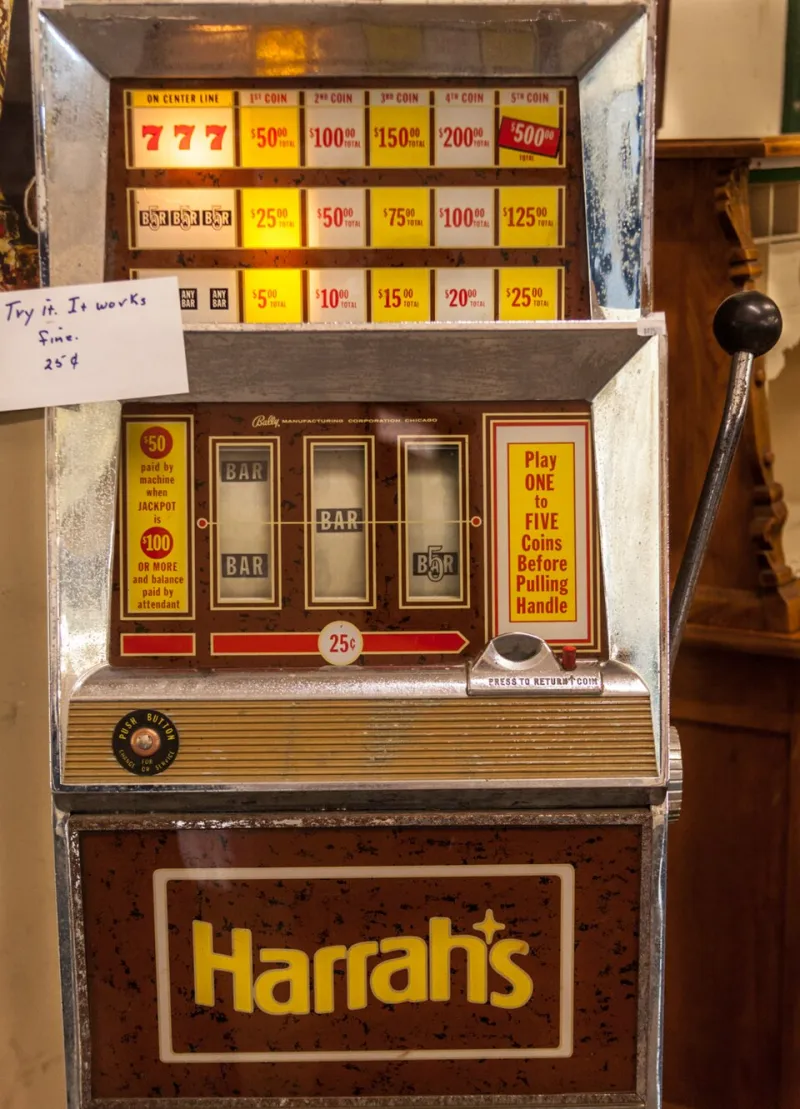
Photo: Paul VanDerWerf from Brunswick, Maine, USA, CC BY 2.0, via Wikimedia Commons
Ask ten players what high volatility means and you will get ten answers. One says it pays big. Another says it eats your bankroll. A third says it is the only kind of slot worth playing. The marketing labels do not help much, because every casino wants its games to sound exciting. Volatility is not a difficulty setting. It is a rhythm, and rhythm is personal. The slot that fits a patient player with a long session can be miserable for someone who wants frequent feedback. This is a personality test disguised as math.
Volatility is a rhythm, not a warning label
Volatility describes how a slot distributes its payouts. Low-volatility games tend to hit more often for smaller amounts. High-volatility games tend to go quiet for longer stretches and then swing harder. Neither is better. Return-to-player percentage is a separate number, and it does not tell you how the ride will feel. A high-volatility slot with a good RTP can still empty a small bankroll before it wakes up. A low-volatility slot can still lose money over time. The question is not which game is hot. The question is which rhythm you can actually sit through without making bad decisions.
Three temperaments, three math profiles
Low volatility: the steady grazer
Low-volatility slots are the casino equivalent of a diner that keeps refilling your coffee. You get frequent small wins, shorter dry spells, and a smoother balance graph. That suits players who like a long session, enjoy regular feedback, and get restless when nothing happens. It does not mean safe, and it does not mean profitable. It means the quiet parts are shorter. If you play for entertainment and want your bankroll to last through a few hundred spins, this is a reasonable neighborhood.
Medium volatility: the weekend driver
Medium-volatility slots are the middle lane. You will still see dry spells, but they are usually shorter than the extreme swings. Hits come at a moderate pace, and the payout shape is less feast-or-famine. This is where a lot of US players land because it matches a normal session: a couple of hours, a set budget, and no desire to chase a jackpot. It is not a compromise. It is a fit for people who want some swing without signing up for a roller coaster.
High volatility: the roller coaster rider
High-volatility slots are built for players who can watch twenty, thirty, or fifty spins go nowhere without changing their plan. The payouts can be dramatic, but the dry spells are the price of admission. This profile suits a smaller session with a larger cushion, not a short session with rent money. If you chase after a quiet stretch, high volatility will find you out. If you can stick to your spin size and walk away after a set number of spins, it can be an exciting ride. The math does not care about your confidence.
A quick self-assessment for real life
Answer these honestly, not how you wish you were.
- After 30 dead spins, do you shrug, switch games, or raise your bet? If you raise your bet, you are not a high-volatility player. You are a chaser.
- Do you want a session to last 30 minutes or three hours? Longer sessions usually pair better with lower volatility and smaller swings.
- Is your bankroll separate from your bills, or are you hoping the slot will fix something? If it is the second one, no volatility level is a fit.
- Do you enjoy frequent small wins, or do you only care about the big hit? Your answer points to a rhythm.
- Can you stop after a dry spell without trying to win it back? If not, pick a gentler game and a shorter session.
Session length and bankroll math
Your spin size should leave room for the dry spell your slot is known for. A high-volatility game on a 100-spin bankroll is not a strategy; it is a coin flip with extra steps. A low-volatility game on the same bankroll gives you more spins, but it does not guarantee a win. The practical move is to decide your session budget first, then choose a volatility profile that lets you play the number of spins you actually want. If you need frequent feedback, do not force yourself into a high-volatility slot because the max win looks good on a thumbnail. If you hate small wins, do not pick a low-volatility game and complain that it feels like a treadmill.
Hit frequency vs payout style
Hit frequency tells you how often the game pays something. Payout style tells you what those payments look like. A slot can hit often and still pay tiny amounts. Another can hit rarely and pay in chunks. Do not confuse a busy screen with a good edge. Check the game information for RTP, volatility, and max win if the casino provides it. If the labels are vague, play the demo version and watch the rhythm. Ten minutes of demo can tell you more about your patience than ten paragraphs of marketing copy.
Use a directory like a matchmaker, not a billboard
A slot directory is most useful when it helps you filter by temperament, not by hype. Look for volatility labels, session notes, and plain-language summaries. At Vegas Casino Online, our slot guides are built for that kind of browsing: what the game feels like, how often it tends to pay, and who it suits. That is more useful than a list of games with flames around the title. The Vegas style is not playing the loudest machine. It is knowing which machine fits your night.
The fit test before you spin
Before you press start, ask three questions. Can I afford 100 spins at this bet size? Do I want small and frequent or rare and dramatic? Will a long dry spell make me play worse? If the answers do not match the slot, choose another game. There is no prize for forcing a personality mismatch. The best slot in 2026 is not the one with the biggest advertised jackpot. It is the one whose rhythm matches your patience, your bankroll, and your ability to walk away when the session is done.