Slot Floor in Sixty: A Three-Act Vegas Crawl You Can Play at Home in 2026

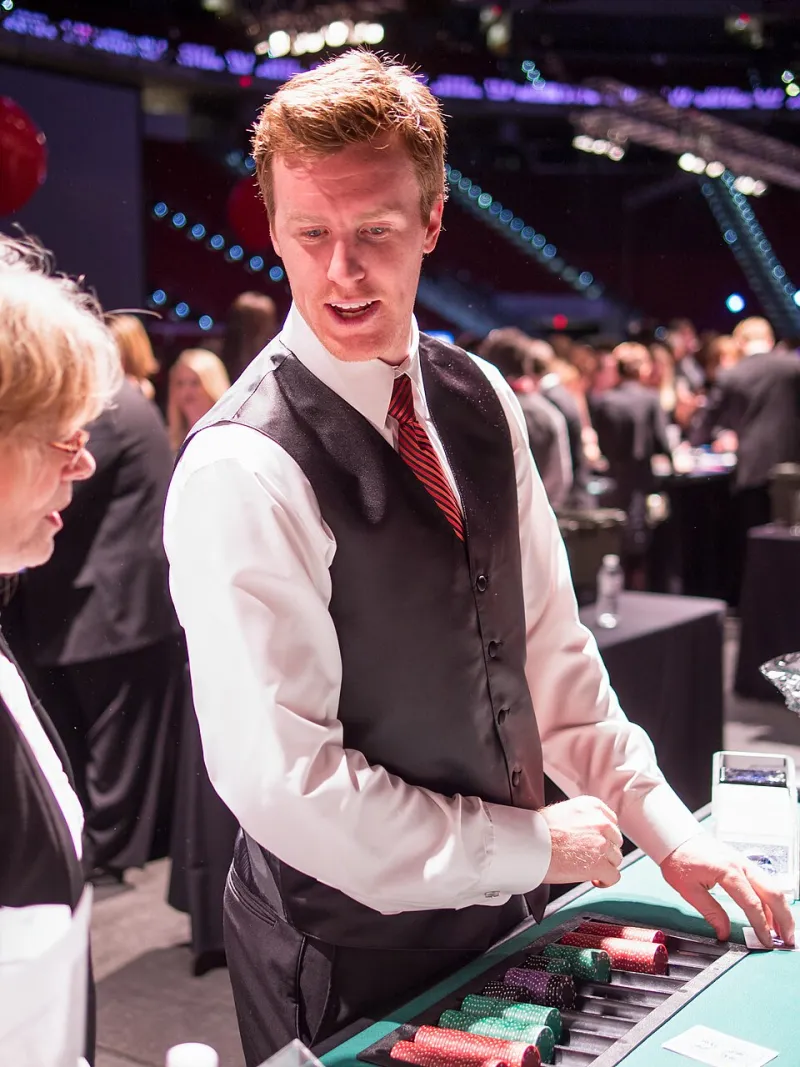
Photo: Dietmar Rabich, CC BY-SA 4.0, via Wikimedia Commons
Part of the fun of a Las Vegas Strip crawl is the change in rhythm. You start on a loud casino floor, drift into a quieter one, then end up somewhere with a band and a line at the bar. Slot fans do the same thing — just with machines instead of bars. In 2026, you can build a compact version at home in about an hour, using three online slot styles to create the same sense of movement.
This is not about jumping randomly between games until your bankroll disappears. It is a planned crawl with three acts, a timer, and a budget. Only play for real money where online casino gaming is legal in your state, and remember that 21+ rules apply in the US.
Pick a Lobby That Can Play Three Roles
Not every online casino lobby feels like a casino floor. You want variety without chaos: a clean slot menu, useful categories, a favorites list, and enough machine styles to make each stop feel different.
A Vegas Casino Online lobby works for this kind of session because the point is comparison, not endless scrolling. Look for filters or categories that separate classic slots, five-reel video slots, and high-volatility bonus games. If demo play is available, use it to preview a machine before you put real money on it. A good lobby should feel like a floor with different rooms — not a search results page.
Budget the Hour Before the First Spin
Pick a number you can lose without flinching. For a one-hour crawl, $60 is a clean starting point. Split it into three $20 acts. If you want more breathing room, use $90 and keep the same three-part structure.
Then set a per-spin range. A common approach is 1% to 2% of your total session budget per spin. On a $60 crawl, that is roughly 60 cents to $1.20 per spin. On a $90 crawl, it is about 90 cents to $1.80. The exact bet size matters less than the rule: do not let one act eat the next act’s budget.
Set a timer for 20 minutes per stop. When the timer ends, move on — even if the machine is hot. That is the whole point of a crawl.
Act I: The Classic Three-Reel Warm-Up
Minutes 0–20. Start downtown, metaphorically. Classic three-reel slots are the Fremont Street warm-up: simple reels, familiar symbols, and usually a lower-volatility feel. You are not chasing a cinematic bonus round here. You are settling into the session.
Keep your bets at the lower end of your range. The goal is to enjoy the rhythm, watch your credits, and get used to the lobby. If you hit a small win, do not immediately double your bet. A crawl has pacing for a reason.
Pick one classic machine and stay with it for the full 20 minutes. The variety comes from the next act, not from hopping every three spins.
Act II: The Cinematic Five-Reel Middle
Minutes 20–40. This is the middle of the Strip: brighter, louder, more features. Five-reel video slots usually bring more paylines, bigger bonus rounds, and a more produced feel. This is where the crawl starts to feel like a night out.
You can nudge your bet up slightly here, but keep it inside the same overall budget. If Act I was 60 cents a spin, Act II might be 80 cents or $1 — not $3. The point is a change of style, not a change of risk tolerance.
Look for a machine with a clear bonus feature and a theme you actually enjoy. A cinematic slot should feel like a mini-show. If the base game is boring you, finish the act and move on at the timer instead of chasing the mood.
Act III: The High-Volatility Finale
Minutes 40–60. End with the bonus-chase machine. High-volatility slots are the late-night stop with the loud music and the big swings. They can pay well, but they can also go quiet for long stretches. Treat this act like a finale, not a rescue mission.
Keep your bet steady and accept that you may get fewer spins for your money. Do not raise your bet to force a bonus. Do not chase losses from Act I or Act II. The clock is the boss here. When the hour ends, the crawl ends.
If a bonus round hits, enjoy it. If it does not, you still completed the crawl the right way: three styles, three budgets, one hour.
Make the Crawl Feel Varied, Not Random
The difference between a crawl and a mess is structure. Before you start, favorite three games — one for each act. Name them in your head like stops on a map: the classic stop, the cinematic stop, the volatility stop. When the timer moves you, move.
Avoid the trap of scanning the lobby during play. That is how a planned crawl turns into a random spin session. The lobby is for setup. The hour is for playing.
The Cool-Down and the Walk Back
When the timer ends, stop. Cash out if you are ahead, or accept the loss if you are not. Then take five minutes away from the screen. A real Strip crawl ends with a walk, a drink, or a look at the lights — not with one more spin.
If you want a nightcap, keep it separate from the crawl budget. A short live-dealer session or a few hands at a table can be a nice change of pace, but it should not be funded by the slot hour’s leftovers.
The beauty of the at-home crawl is that it gives you variety without pretending the night is endless. Three machines, sixty minutes, one budget. That is a Vegas-style slot session you can actually plan around.