Table Tempo Is the Tell: Seven Live-Dealer Cues That Keep Your Bankroll Honest

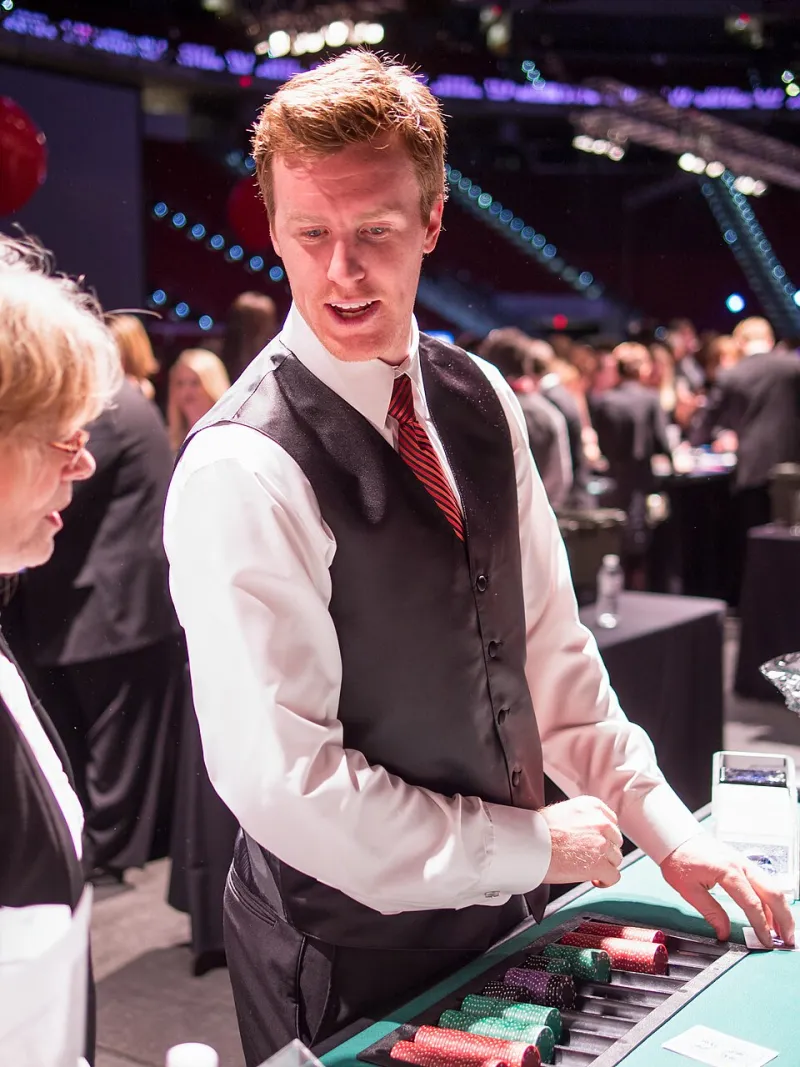
Photo: live dealer roulette table casino dealer hands chips, via www.newstorymedia.com
Live dealer tables do not have moods, but they do have rhythms. A dealer riffles the shoe, stacks chips, calls the bets, and flips cards in a pattern. Those small rituals are not lucky charms. They are tempo cues. In 2026, US players can use them to decide when to slow down, when to take a break, and when a table is simply too fast for the bankroll plan they brought.
The Table Has a Heartbeat
A live dealer is not a slot machine with a person attached. The pace changes with the game, the dealer, the number of players, and the software. Blackjack can crack along like a metronome. Baccarat can feel ceremonial until the callouts start flying. Roulette has its own spin-and-payout cycle. None of that tells you whether the next hand is hot or cold. It tells you how much decision-making time you have. That is the useful part.
1. The Shuffle Cadence in Blackjack
Watch the shoe. A dealer who riffles, cuts, and reloads quickly is signaling more hands per hour, not a hot shoe. A slower shuffle gives you more time between decisions and can be a natural checkpoint. If the shuffle is fast enough that you feel rushed, your bet size is probably too high for the pace. Use the shoe change as a moment to count your chips and decide whether the session still matches your plan.
2. The Chip-Stack Reset
After a color-up or a big payout, the dealer often restacks chips and squares the rack. That pause is a gift. It is a built-in commercial break. Most players use it to keep firing. A steadier move is to use it to check your bankroll, your time, and your next bet. If the reset feels like an interruption you resent, you may be playing too fast for your own good.
3. The Callout Rhythm in Baccarat
Baccarat has a distinctive soundtrack: no more bets, player, banker, tie. The cadence of those calls tells you how much time you have to place a wager. A dealer who calls quickly and deals quickly is running a tight table. That is fine if you have already decided your bet. It is dangerous if you are still deciding while the window closes. The ritual is pace, not prophecy.
4. The Card-Reveal Tempo
Some dealers flip cards with a flick. Others give the squeeze a little theater. The slow reveal is fun, but it does not change the math. The fast reveal does not mean the deck is cold. What it changes is your emotional tempo. If a dramatic reveal makes you want to press a bet, notice that. The card did not speed up; your pulse did.
5. The Roulette Spin Cycle
Roulette has the clearest clock in the casino. The dealer spins, the ball drops, bets close, and payouts are made. A fast spin cycle can tempt you to chase the previous number. A slow cycle can make you overthink. Watch the interval between the ball drop and the next spin. If the table is moving faster than your bet-sizing plan, move down in stakes or move to a slower table. The wheel does not care, but your bankroll does.
6. The Marker and Color-Up Pause
When a dealer counts chips for a color-up or handles a marker, the table pauses. That is a ritual worth respecting. It is a chance to breathe, not a delay to endure. Use it to ask a simple question: am I still playing the session I planned, or am I playing the session the table talked me into? If the answer is the second one, take the pause.
7. The Dealer Relief and Table Reset
Dealers rotate. A new dealer may have a different pace, a different callout style, and a different way of handling cards. A table reset is not a sign that the table is about to turn. It is a sign that the tempo is about to change. Treat the handoff as a checkpoint. Reassess your bet size, your session length, and whether you are still having fun. If the pace jumps and your bets jump with it, that is not luck. That is drift.
A Quick Pace Check for the Live-Dealer Lobby
Before you buy in, spend sixty seconds watching instead of betting.
- Watch one full blackjack shoe or ten roulette spins. Count the time between decisions.
- Note whether the dealer reveals cards quickly or slowly. Ask yourself if the pace fits your patience.
- Check the table limits. A fast table with high minimums is a double squeeze.
- Decide your session length and stop-loss before you sit down. Write them down if you need to.
- If the callouts, shuffles, or spins make you feel rushed, choose a slower table or lower stakes. There is no prize for keeping up.
Pace Is Not Prophecy
Live-dealer rituals are theater with a practical edge. They do not predict the next card, the next spin, or the next shoe. They do tell you how much time you have to think, how often you will be asked to decide, and whether the table's rhythm matches your bankroll discipline. Use the cues to manage session length and bet sizing. Leave the superstition at the door. The dealer is not sending you a sign. The dealer is sending you a tempo.
At Vegas Casino Online, our live-dealer guides focus on the parts of the table you can actually control: pace, limits, and plan. The rest is noise.